
5 MIN READ
RescueMD in Vegas: Lapachol Takes the Stage at Fall Clinical 2026
RescueMD
Dr. Mark Nestor brought RescueMD's lapachol research to dermatologists at the Fall Clinical 2026 conference in Vegas. Here's what he shared: the science, the studies, and the results.

5 MIN READ
Table of Contents
Dr. Nestor presents Optimizing Approach to Persistent Facial Erythema
Friday, October 9th (2026) | See Dr. Nestor's Website
01 The Room, the Speaker, the Ingredient
Redness is easy to cover and stubbornly hard to resolve, which is why RescueMD’s breakthrough skincare science recently took the stage. At the Fall Clinical Dermatology Conference this October in Las Vegas, Nevada, Dr. Mark Nestor, MD, PhD, director of the Center for Clinical and Cosmetic Research and professor of dermatology at the University of Miami, took the podium to present the science and clinical research behind lapachol to a room of dermatologists and nurse practitioners. Dr. Nestor's subject was how lapachol has been clinically proven to help post-procedure scar recovery and erythema, which is the persistent background redness often associated with rosacea, acne, and photoaging.
Redness is one of the most common concerns in any dermatology practice, yet over the past few decades there has been surprisingly little ingredient innovation backed by research to address this serious issue. With the emergence of lapachol as a powerful anti-redness ingredient, and its unique mechanism of action, RescueMD’s research demonstrates that lapachol is at the forefront of a new set of redness and erythema treatment protocols. In this blog, RescueMD is honored to share the highlights of what was presented at Fall Clinical: a look at lapachol science backed by IRB-approved trials, our clinical Before & Afters, and the results of our compelling lapachol study conducted by Dr. Zoe Draelos.
02 It Started in an Operating Room
The story begins not in a lab, but in an OR. Plastic surgeon Dr. Michael Suzman grew frustrated at the lack of sufficient post-procedure care, setting out to build something better to help his own surgical patients recover healthy skin post-procedure. Through a process of careful clinical study, Dr. Suzman found lapachol, a naturally occurring compound drawn from the inner bark of the pau d’arco tree, long used in traditional Central and South American medicine to treat redness and inflammation.


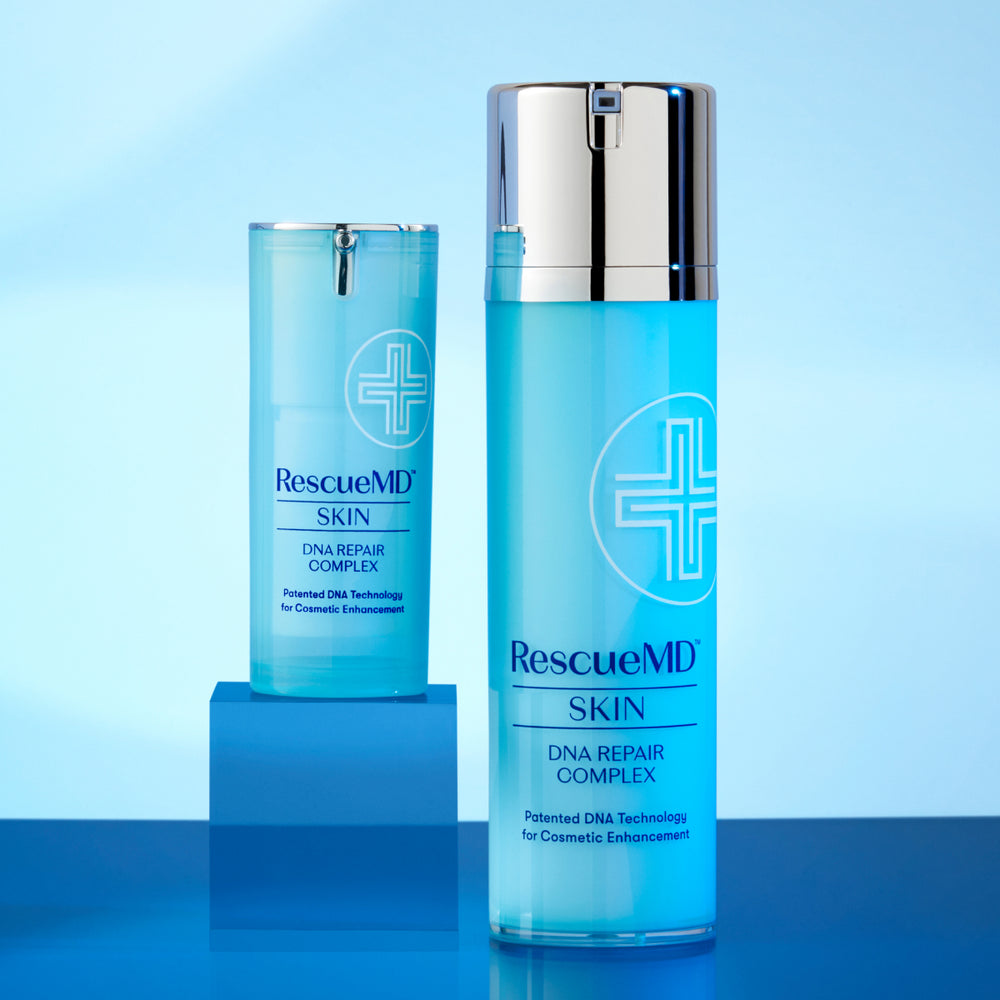
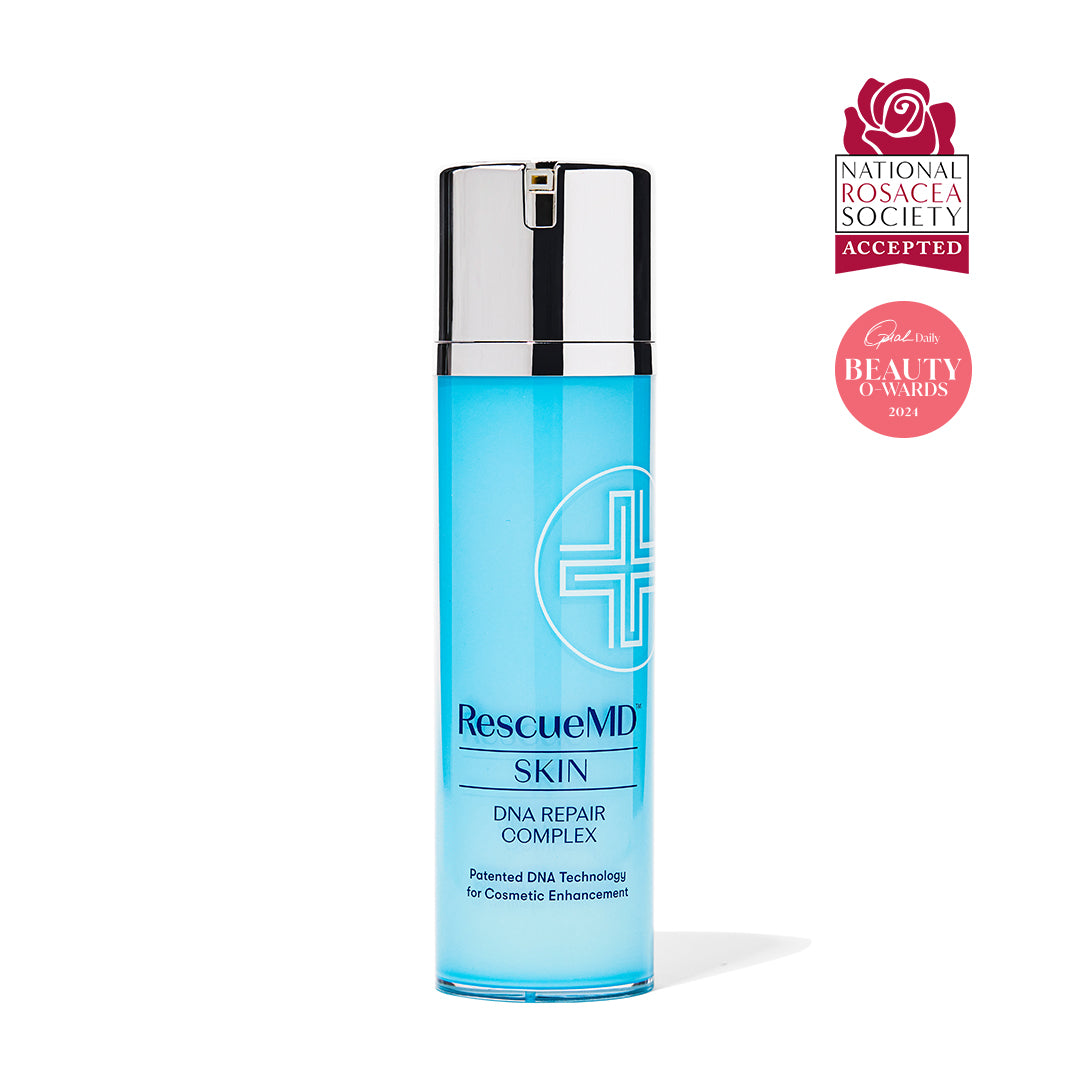
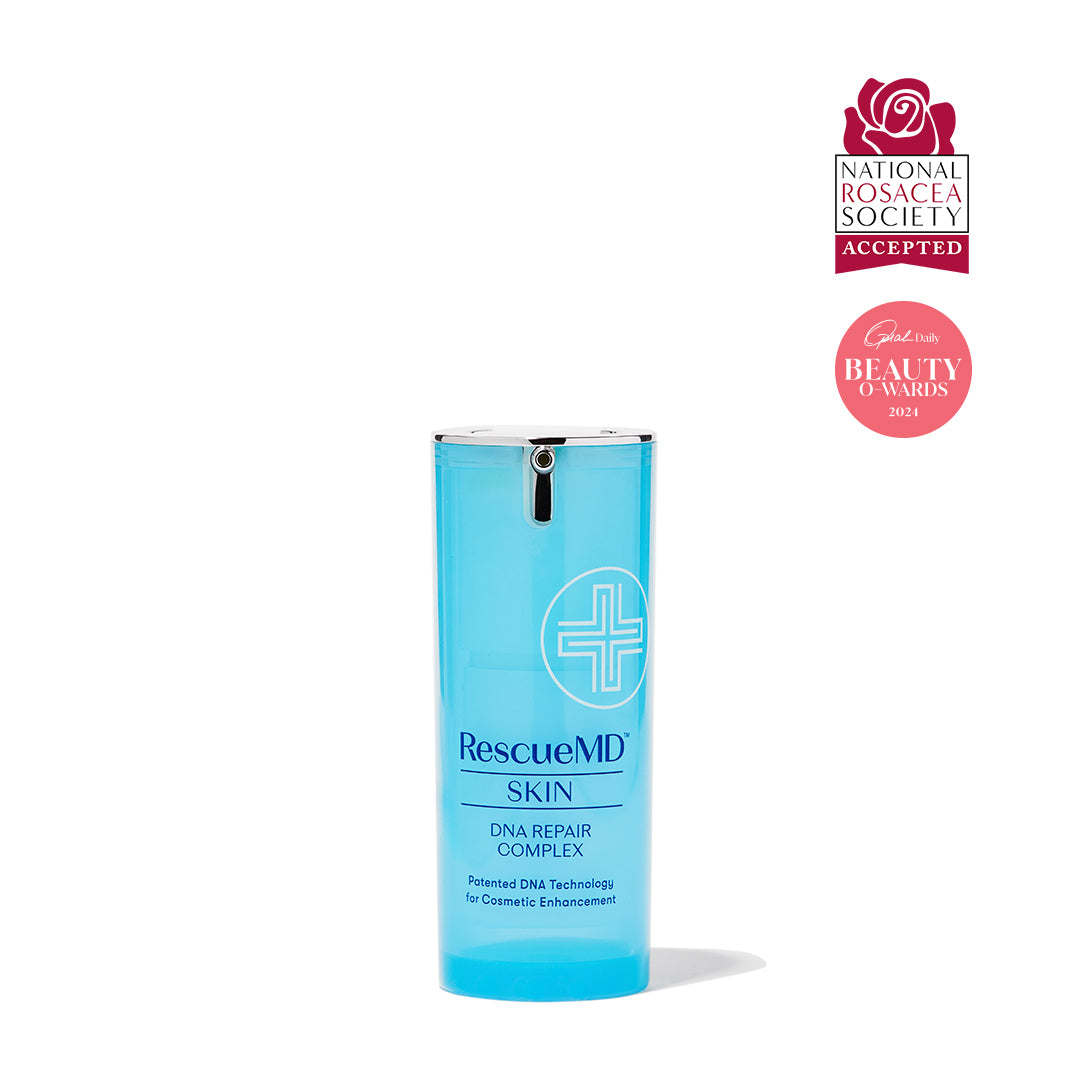
DNA Repair Complex
The Ultimate Skin Damage + Scar Treatment
$148.00 | 30mL
03 The Science Behind Lapachol
Here is where lapachol builds on the rest of the redness aisle. Many calming botanicals (bisabolol, centella, green tea) fight redness by restricting capillaries at the surface of the skin, targeting inflammatory signals so skin looks calmer—while underlying stress lingers. Lapachol is unique in that it intervenes at the DNA level, inhibiting the proteins that rush cellular replication and trigger the inflammation process and response. In slowing this process, the skin recovers naturally from cellular stress and helps ameliorate redness. Dr. Nestor framed it as the difference between symptom control and repair capacity, where our lapachol formulation is designed to address and repair the underlying cause of erythema and redness. The real test of any mechanism, though, is tangible improvement—that’s where the clinical research comes in.
04 What The Research Shows

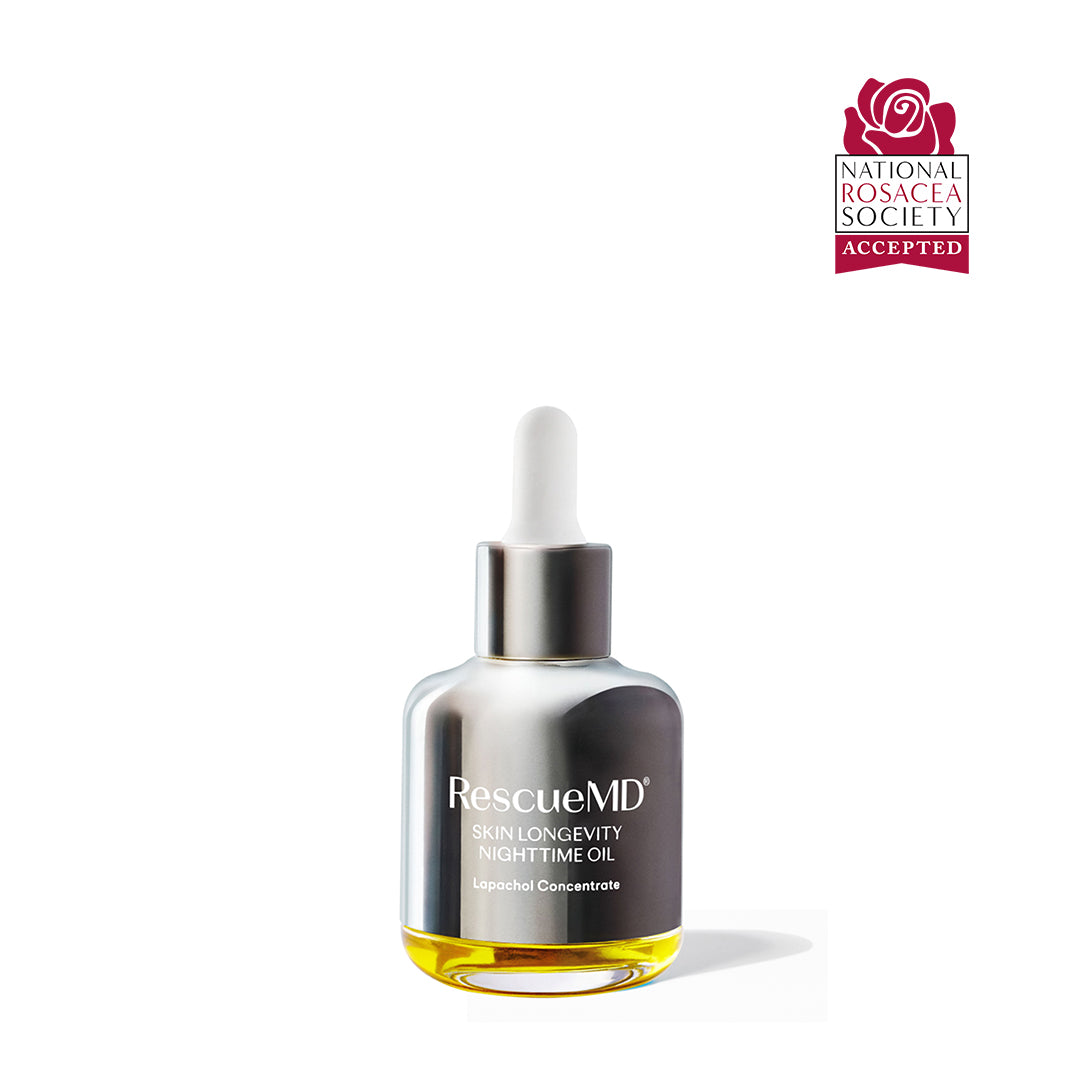
A novel mechanism is only as convincing as the evidence behind it, and Dr. Nestor came prepared with three IRB-approved trials. The strongest evidence comes from Dr. Draelos’s study, published in the Journal of Cosmetic Dermatology in 2024: twenty-five adults with mild-to-moderate facial redness from rosacea, acne, or photoaging applied the DNA Repair Complex twice daily for eight weeks. By week eight, the study reported an average 44% reduction in facial redness, investigator-rated and confirmed by a colorimeter and dermaspectrophotometer*. All 25 participants completed the study with no adverse events. Dr. Nestor presented two additional studies, both focused on subjects with rosacea, and both displaying the same trend: including a 35% investigator-rated reduction in redness eight weeks of our Skin Longevity Nighttime Oil. Further, in 2024, DNA Repair Complex earned the National Rosacea Society Seal of Acceptance, reviewed by an independent panel of dermatologists—offering third-party assurance for the most reactive skin. Rated by dermatologists, observed by its participants, and affirmed by instruments, the results speak for themselves:

05 From Podium to Practice
Dr. Nestor’s closing note to the room was practical: lapachol can be a useful tool wherever redness overstays its welcome. After lasers, peels, and microneedling; alongside prescription rosacea care; for sensitized skin that can’t tolerate much else; and in a nightly routine focusing long-term skin quality. For the rest of us, the takeaway is the one Dr. Suzman arrived at years ago: skin already knows how to repair itself. In some cases, it just needs the cellular support to do it. Whether recovering from a procedure, managing persistent redness, or in search of a gentler path to healthier-looking skin, the DNA Repair Complex is where that science lives—and what began as one surgeon’s solution for his own patients now stands before the dermatology community on the strength of published, peer-reviewed evidence.
*The Clinical Efficacy of Lapachol in Facial Redness Reduction | Journal of Cosmetic Dermatology
Related Articles

Everything You Need to Know About Scar Formation

SKIN HEALTH